

A lot of people search for pallet jack certification right after a new warehouse job offer, a new operator role, or a workplace safety requirement. It sounds official, like there is one single license you must have before touching a pallet jack.
The honest answer is more practical. For a manual pallet jack, most workplaces do not require a formal government-issued certification card. For powered equipment, especially an electric pallet jack or powered pallet jack, training and employer authorization matter much more, and they may be required depending on your workplace and local safety rules.
This guide explains what pallet jack certification usually means, when training is needed, how to use a pallet jack safely, and where to find legitimate training programs if your employer asks you to complete one.
In This Guide:
What Does Pallet Jack Certification Mean?
When someone asks how to get pallet jack certification, they usually mean one of three things:
- A workplace training record showing they were trained to use a pallet jack
- A third-party course completion card for a powered pallet jack or electric pallet jack
- Forklift certification, because many people group all warehouse equipment together
The key is to separate manual pallet jacks from powered pallet jacks. A manual jack is a simple hydraulic tool. A powered pallet jack uses motorized travel and often powered lift, which changes the risk level and training expectations.
Manual Pallet Jack vs Powered Pallet Jack
A pallet jack is used to lift and move pallets at floor level. You may see the same equipment described with different phrases, including pallet jack, pallet jacks, jack for pallet, jack pallet, jack pallet trucks, pallet jack electric, electric pallet jack, electric pallet jacks, electric powered pallet jack, powered pallet jack, buy pallet jack, and buy pallet jacks.
| Equipment Type | How It Works | Training Expectation |
|---|---|---|
| Manual Pallet Jack | Moved by pushing and pulling. Lift is typically hydraulic through the handle. | Usually basic workplace instruction and safe work procedures. |
| Electric Pallet Jack | Uses powered travel and often powered lift, with higher speed and more control features. | Often requires formal training, hands-on evaluation, and employer authorization. |
Powered pallet jacks can feel easier to use than manual equipment, but the added speed, turning swing, and crush risk make training more important.
Quick Safety Reminder
A powered pallet jack is not the same as a manual pallet jack. Even if the job looks simple, operators should understand speed control, braking, turning, load balance, and emergency reverse functions before using one in a live warehouse.
Do You Legally Need Pallet Jack Certification?
For a manual pallet jack, most workplaces do not require a formal certification card. Instead, they usually require basic onboarding, safe operating procedures, and supervisor sign-off.
For an electric pallet jack or powered pallet jack, many employers require training and evaluation because it is powered equipment. In the United States, OSHA requires employers to train and evaluate powered industrial truck operators. In Canada, requirements vary by province and workplace policy, but the practical standard is the same: operators should be trained, competent, and authorized before using powered lift equipment.
So while you might not need a government-issued “pallet jack license,” you often need employer-provided training before operating a powered pallet jack at work.
Why Forklift Certification Is Treated Differently
Forklifts lift higher, carry heavier loads at height, and carry serious tip-over and crush risks. That is why forklift certification is widely treated as mandatory in many workplaces.
Powered pallet jacks have lower lift height, but they can still injure people quickly because of speed, turning swing, foot crush risks, and poor visibility in tight areas. That is why employers take powered pallet jack training seriously, even when the equipment looks simple.
How to Use a Manual Pallet Jack Safely
If you are new and your job asks whether you know how to use a pallet jack, they usually mean these basics:
Step 1: Quick Check Before You Move
Check that the forks are not bent, the wheels roll smoothly, and the handle pumps and lowers normally. Look for debris, wet floors, or cracks in the travel path.
Step 2: Approach the Pallet Straight
Line up with the pallet openings and insert the forks fully. Partial insertion can damage pallets and make the load unstable.
Step 3: Lift Just Enough
Pump the handle until the pallet clears the floor. Do not lift higher than needed for travel.
Step 4: Move with Control
Push rather than pull when possible. It usually gives better control and reduces the chance of foot injuries. Move slowly around doorways, corners, and busy aisles.
Step 5: Lower Gently
Lower the pallet slowly so the load settles evenly. Pull the forks out straight to avoid twisting the pallet or damaging the jack.
How to Use an Electric Pallet Jack Safely
If your workplace uses electric pallet jacks, the main risks are speed, turning swing, and control in tight areas. Key habits include:
- Start with a slow test drive in a clear area
- Keep the load low while traveling
- Use the horn at blind corners
- Slow down early and avoid last-second hard braking
- Watch for power unit swing when turning
- Keep feet clear, especially when backing or turning
For a full beginner walkthrough, read our guide on how to use an electric pallet jack.
If your team is moving pallets daily and needs powered equipment, compact models like the Raelon F4 3300lbs Lithium-ion Electric Pallet Jack can help reduce manual effort in tight warehouse spaces. For heavier daily loads, the Raelon F4-201 4400lbs Lithium-ion Electric Pallet Jack is built for higher-capacity pallet movement.
Recommended Electric Pallet Jacks for Trained Operators
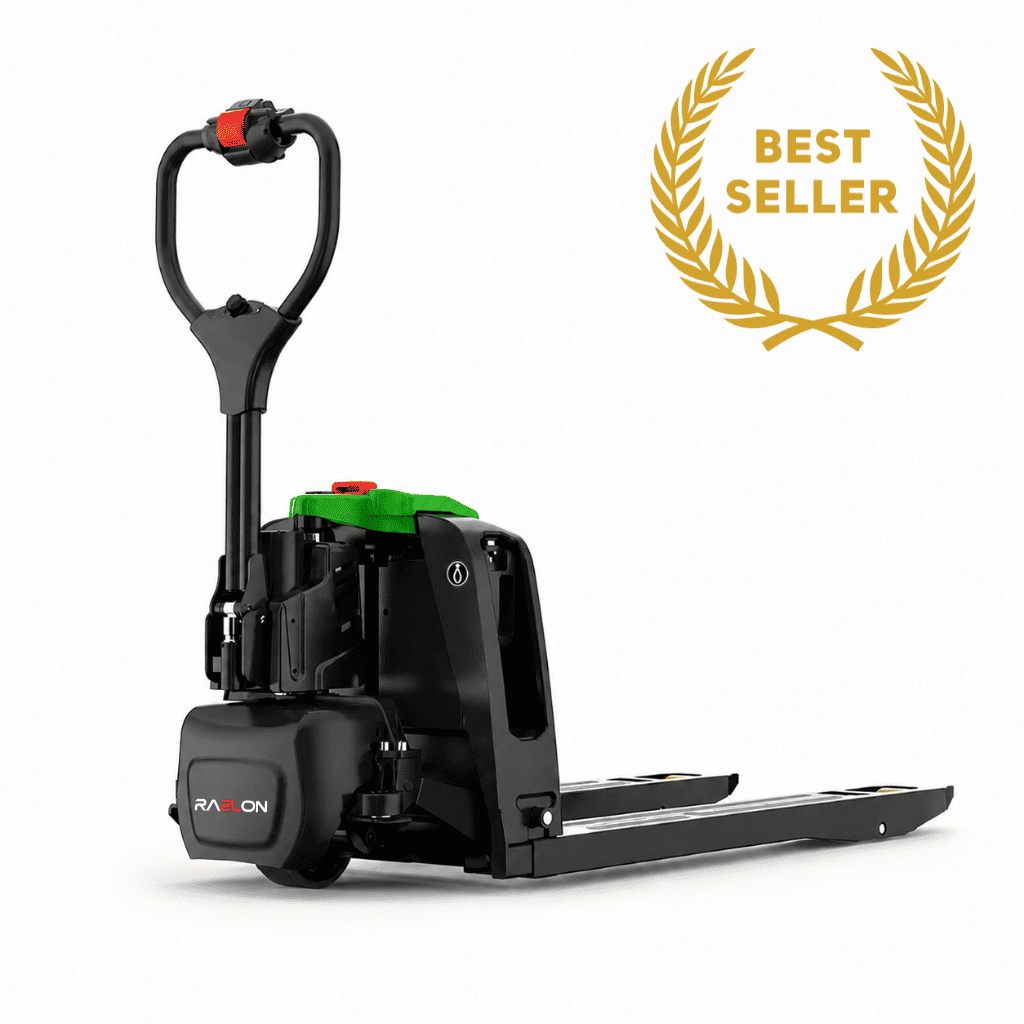
Raelon F4 3300lbs Lithium-ion Electric Pallet Jack
$1,859 CAD / $1,699 USD
$2,190 CAD / $1,999 USD
Compact lithium power for daily warehouse moves, stockrooms, and tight indoor spaces.
View Product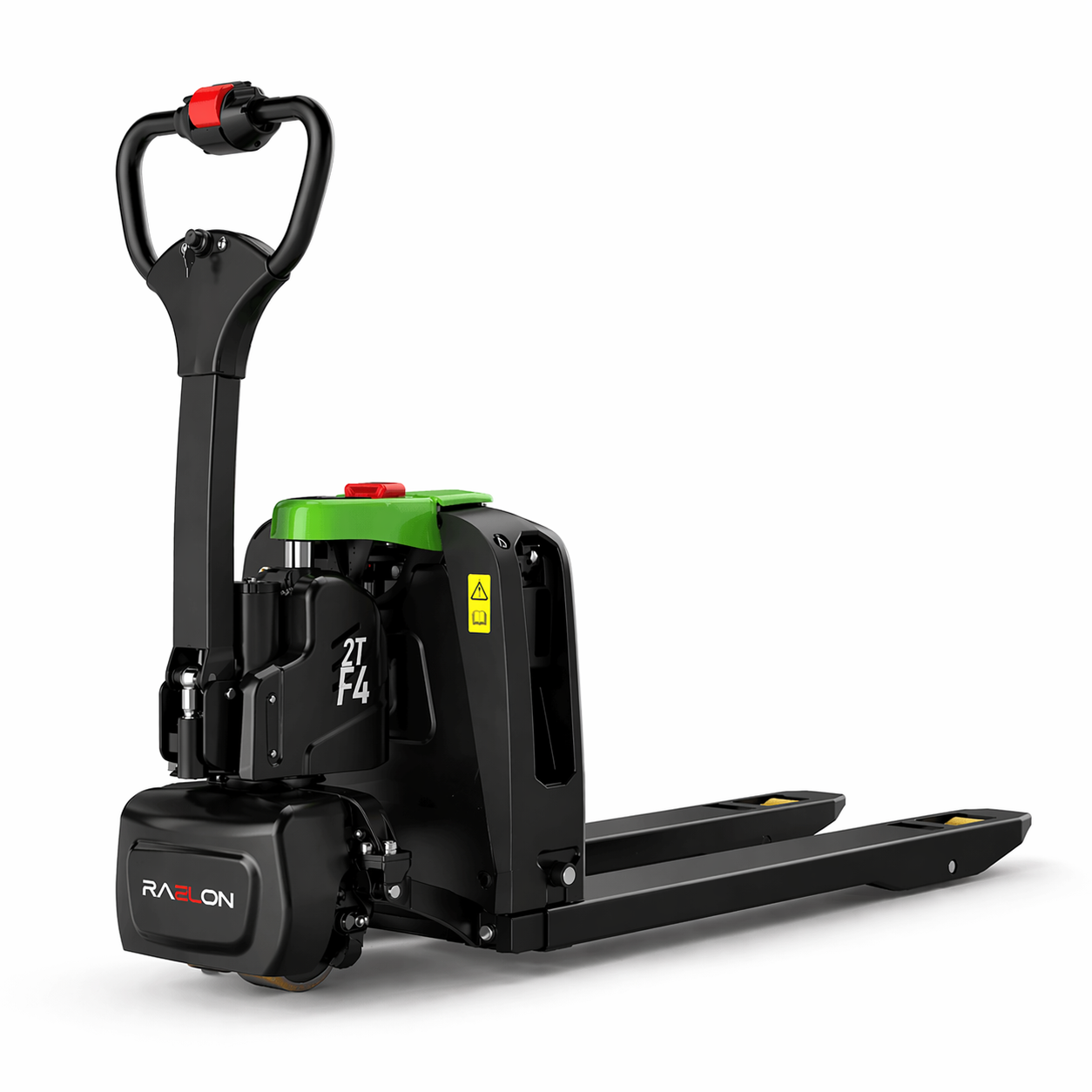
Raelon F4-201 4400lbs Lithium-ion Electric Pallet Jack
$2,895 CAD
$3,217 CAD
A stronger option for heavier pallets, busy lanes, and higher daily throughput.
View Product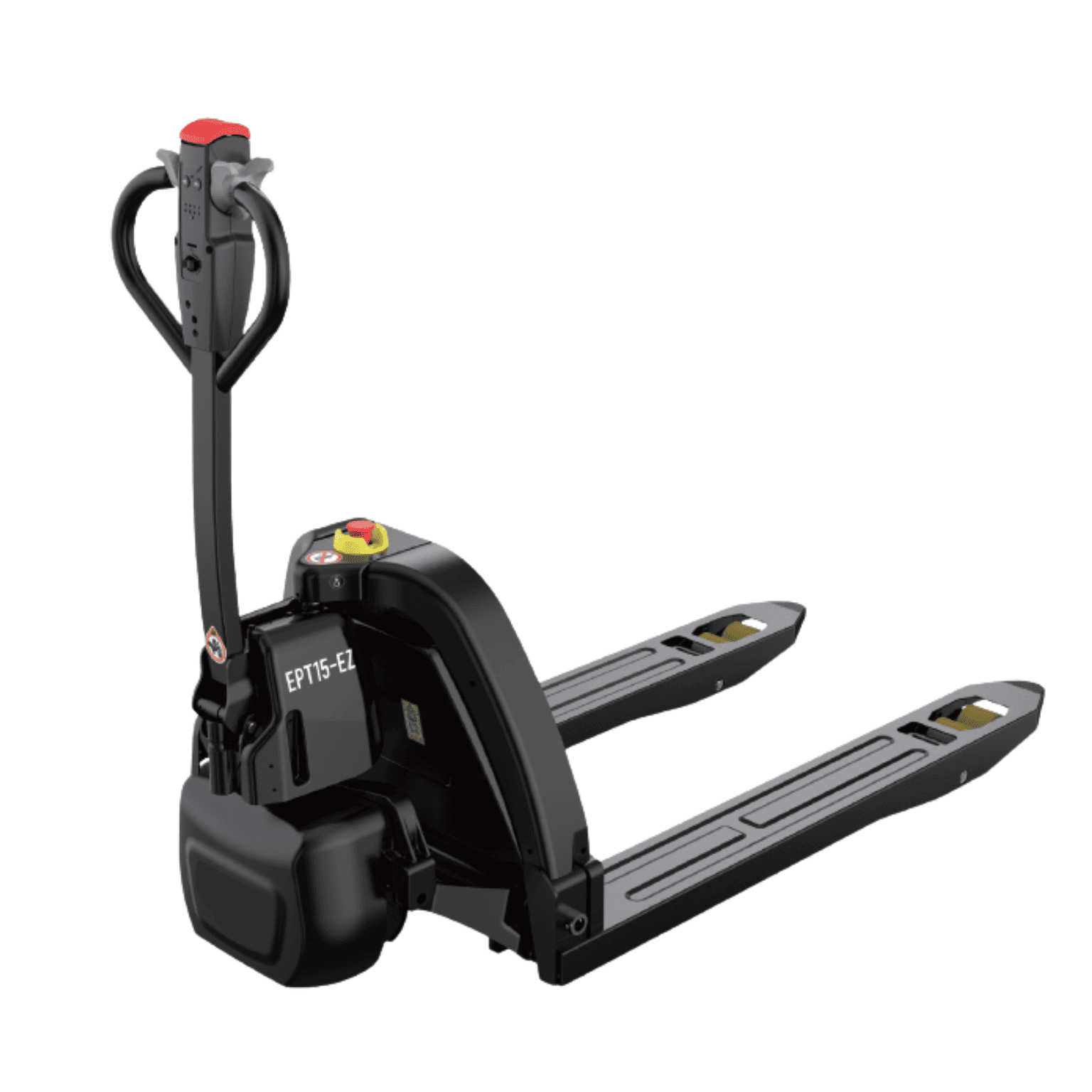
Raelon EPT15-EZ 3300lbs Electric Pallet Jack
$1,699 CAD
$1,999 CAD
A practical entry-level electric pallet jack for everyday indoor material handling.
View ProductWhere to Find Pallet Jack Training Programs
Here are training providers that offer pallet jack training or certification-style courses. Always confirm that the course matches your equipment type, local rules, and employer requirements.
- OSHA Education Center – Pallet Jack Certification Training
- CertifyMe – Pallet Jack Certification
- Hard Hat Training – Pallet Jack Training
- United Rentals – Powered Pallet Jack Operator Certification
- BIS Safety – Pallet Jack Training (Canada)
- OSHA.com – Electrical Pallet Jack Training
Buying a Pallet Jack After Training
If your search intent is closer to buy pallet jack or buy pallet jacks, these practical filters can save time:
- Manual or electric powered pallet jack
- Capacity and typical pallet weight
- Fork length and pallet size
- Floor conditions, because rough floors wear wheels faster
- Service and parts availability for powered units
- Battery type and charging setup if it is an electric pallet jack
For more buying guidance, see our pallet jack wheels guide and our electric pallet jack beginner guide.
Final Takeaway
Manual pallet jacks usually need basic workplace instruction. Electric pallet jacks and powered pallet jacks should be operated only after proper training, hands-on practice, and employer authorization. Safe operation starts with the right training, but it also depends on choosing equipment that fits your warehouse, load weight, floor condition, and daily workflow.
Compare models in our full electric pallet jack collection, or contact us for help choosing the right model for your team.


