

A used electric pallet jack can look like a smart deal. The price is lower, the machine may already be available nearby, and the seller may say it still works fine. For a small warehouse or shop, that can be tempting.
But a used powered pallet jack can also hide expensive problems. Battery wear, weak hydraulics, damaged wheels, worn controls, and missing parts may not be obvious during a quick inspection. A low purchase price can become less attractive if the unit needs service right away.
This guide explains what buyers should check before buying a used pallet jack or second hand pallet jack. It also explains when a new electric pallet jack may be the more practical choice for daily warehouse use. If you are comparing new options, start with the Raelon electric pallet jack collection to review new models, capacity, battery setup, warranty, and support.
In This Guide:
- New vs Used Electric Pallet Jack: The Real Difference
- Why Buyers Look at Used Pallet Jacks
- Check the Battery First
- Test the Unit Under Load
- Inspect the Wheels and Rollers
- Check the Hydraulic System
- Confirm Parts and Charger Availability
- Recommended New Raelon Electric Pallet Jacks
- Final Recommendation
New vs Used Electric Pallet Jack: The Real Difference
The biggest difference is certainty.
With a new electric pallet jack, the buyer knows the equipment history. The battery is new, the wheels are new, the hydraulic system has not been worn by previous use, and the machine normally comes with warranty and parts support.
With a used electric pallet jack, the condition depends on how it was used before. It may have worked in a clean warehouse with light loads. It may also have been used every day on rough floors, overloaded, poorly charged, or repaired with non-original parts.
This does not mean every used pallet jack is a bad purchase. Some used equipment can be a good fit for light or occasional use. But the buyer needs to inspect more carefully and budget for possible repairs.
| Option | Best For | Main Advantage | Main Risk |
|---|---|---|---|
| Used Electric Pallet Jack | Light or occasional use when the buyer can inspect condition carefully | Lower upfront price | Unknown battery, wear, service history, and parts support |
| New Electric Pallet Jack | Daily warehouse, stockroom, retail receiving, and regular business use | Clear equipment history, warranty, and easier parts planning | Higher upfront purchase cost |
Quick Buying Tip
A used electric pallet jack is only a good deal if the battery, charger, hydraulics, wheels, controls, and parts availability are clear. If daily reliability matters, compare the used price against a new unit with warranty and support.
Why Buyers Look at Used Pallet Jacks
Many businesses look at used pallet jacks because of price. A second hand pallet jack usually costs less upfront than a new unit. That can help if the business has a tight equipment budget or only needs the truck for light use.
Used equipment can also be attractive when it is available locally. A buyer may want a machine quickly and prefer to pick one up nearby instead of waiting for a new shipment.
For occasional pallet movement, this may work. If the truck is only used a few times per week and the load is light, a used unit in good condition may be enough.
The risk is that electric pallet jacks are not like basic hand tools. They have batteries, drive motors, controllers, switches, wheels, hydraulics, chargers, and safety functions. Any of these can become a cost after purchase.
If you are considering used equipment mainly because the purchase price feels lower, it is also worth reading our electric pallet jack rental vs buying guide to compare short-term and long-term equipment costs.
Check the Battery First
The battery is one of the most important things to check on a used electric pallet jack.
Ask the seller what type of battery the unit uses, how old it is, how often it was charged, and whether it has been replaced before. Battery replacement can be one of the more expensive repair items on a pallet jack electric model.
A weak battery may still move the truck during a short test, but lose power quickly under real warehouse use. This is why a quick empty test is not enough. The unit should be tested with a load if possible.
During inspection, watch for:
- Short runtime
- Slow charging
- Battery swelling or damage
- Corrosion around terminals
- Loose wiring
- Warning lights
- A charger that does not match the battery type
If the seller cannot explain the battery history, treat that as a risk. A used electric powered pallet jack with an unknown battery may need extra service soon after purchase.
For new lithium battery setups, compare models like the Raelon F4 3300lbs Lithium-ion Electric Pallet Jack and the Raelon F4-201 4400lbs Lithium-ion Electric Pallet Jack. For battery details, read Lithium Ion vs AGM Electric Pallet Jack: Which Battery Setup Should You Choose?.
Test the Unit Under Load
Do not only test the truck while it is empty.
A used powered pallet jack may move smoothly with no load but struggle when carrying a pallet. Ask to test it with a real load that is close to your normal operating weight. This gives a better idea of how the motor, battery, controller, wheels, and hydraulics behave together.
During the test, check whether the truck starts smoothly, accelerates evenly, slows down properly, and responds without hesitation. Jerky movement, delayed response, or sudden stopping can point to control or drive system issues.
Also test forward and reverse. Turn in both directions. Raise and lower the forks. Listen for unusual sounds.
A short load test can reveal problems that are easy to miss in a parking lot or warehouse corner.
Inspect the Wheels and Rollers
Wheels are easy to overlook, but they affect daily handling.
Used pallet jacks often show wear on load wheels, drive wheels, and rollers. Flat spots, cracks, missing chunks, uneven wear, or noisy movement can make the truck harder to control.
Bad wheels can also damage floors, increase vibration, and make the machine feel unstable under load. If the truck was used on rough concrete, dock plates, debris, or uneven surfaces, wheel wear may be more serious.
Check:
- Drive wheel condition
- Load wheel condition
- Fork rollers
- Side play
- Uneven wear
- Cracks or missing material
- Noise during travel
Replacement wheels may be available, but buyers should confirm parts access before paying. A cheap used pallet jack is less useful if common wear parts are hard to find. For more detail, see our pallet jack wheels guide.
Check the Hydraulic System
The hydraulic system controls lifting and lowering. On a used electric power pallet jack, this system should lift smoothly and hold the load without drifting down.
Raise the forks with a loaded pallet. Watch whether the lift is smooth or weak. Then hold the load in the raised position and see whether the forks slowly drop.
Also look for hydraulic leaks around the pump, cylinders, hoses, and fittings. Small leaks can become larger problems over time.
Warning signs include:
- Slow lifting
- Uneven lifting
- Forks drifting down
- Oil spots under the unit
- Hydraulic noise
- Difficulty lowering the forks
A hydraulic issue may not stop the machine from moving, but it can make the unit unreliable for daily warehouse work.
Check the Controller, Handle, and Safety Functions
The control handle takes a lot of daily use. On a used electric pallet truck, it may show wear before the rest of the machine looks bad.
Test all controls, including forward, reverse, lift, lower, horn, emergency reverse, and emergency stop. The response should be predictable and consistent.
Loose buttons, cracked plastic, sticky switches, or delayed response can cause problems in daily operation. A control issue is especially serious because operators rely on the handle to manage speed and direction in tight warehouse spaces.
Also check whether the handle returns properly and whether the truck stops as expected. A used electric pallet jack should not feel unpredictable.
For a machine used around employees, racking, doors, trucks, and inventory, control reliability matters as much as capacity.
Ask About Service History
A seller should be able to explain the machine’s history.
Ask where it was used, how often it was used, what loads it carried, whether it was used indoors or outdoors, and whether it has maintenance records.
A unit from a clean warehouse with light use is very different from a unit used heavily in a dock area. Floor condition, load weight, charging habits, and operator behavior all affect long-term equipment condition.
Ask about previous repairs. Replaced wheels or a replaced battery may be normal. Repeated controller problems, electrical faults, or hydraulic repairs may suggest a deeper issue.
If there is no service history, the price should reflect the risk.
Confirm Parts and Charger Availability
Before buying a second hand pallet jack, confirm that replacement parts are still available.
Some used electric pallet jacks are older models or discontinued units. Even if the machine works today, it may be difficult to find batteries, chargers, wheels, controllers, handles, or hydraulic parts later.
The charger is especially important. It must match the battery type and voltage. Using the wrong charger can damage the battery or create safety risks.
Ask:
- Is the charger included?
- Does it match the battery?
- Are replacement batteries available?
- Can wheels and rollers be ordered?
- Can a technician service this model?
- Are control parts still supported?
A used unit with no parts support can become a storage problem instead of a warehouse tool. If parts access is important to your team, browse Raelon pallet jack parts for current replacement items, or read our pallet jack parts guide.
Look for Signs of Hard Use
Some wear is normal. Heavy abuse is different.
Check the frame, forks, covers, handle, and battery area. Bent forks, cracked covers, deep impact marks, missing guards, or damaged wiring can suggest rough use.
Look under the machine. Check whether the underside shows scraping, leaking, or impact damage. Look at the fork tips and load wheel area. These areas often show how the truck was used.
Also check whether the nameplate or capacity label is still readable. If the load capacity or model information is missing, it becomes harder to confirm whether the unit fits your operation.
A used pallet jack should look like it was used, not neglected.
Think About the Real Cost
The listed price is only one part of the cost.
A used electric pallet jack may need a new battery, charger, wheels, hydraulic service, controller repair, or inspection before it is reliable. These costs can reduce or remove the savings.
There is also downtime. If the machine fails during receiving, shipping, or restocking, the business may lose time and productivity.
This is why buyers should compare total cost, not just purchase price.
For light use, used may still make sense. For daily warehouse use, a new electric pallet jack can be easier to justify because the buyer gets a clean equipment history, current parts support, and warranty coverage.
When a New Electric Pallet Jack Makes More Sense
A new electric pallet jack is often the better choice when the machine will be used every day.
Daily work puts more demand on the battery, drive system, wheels, and controls. If employees rely on the truck for receiving, staging, stocking, or shipping, reliability becomes more important than the lowest purchase price.
New equipment also makes sense when:
- The business needs warranty support
- The truck will be used by multiple operators
- The workload is growing
- The battery must be reliable
- Replacement parts need to be easy to source
- Downtime would affect operations
- The business wants a predictable charging routine
For many small and mid-size warehouses, a new electric powered pallet jack gives more peace of mind. The machine arrives ready for regular use, and the buyer does not need to guess how it was treated before.
Recommended New Raelon Electric Pallet Jacks
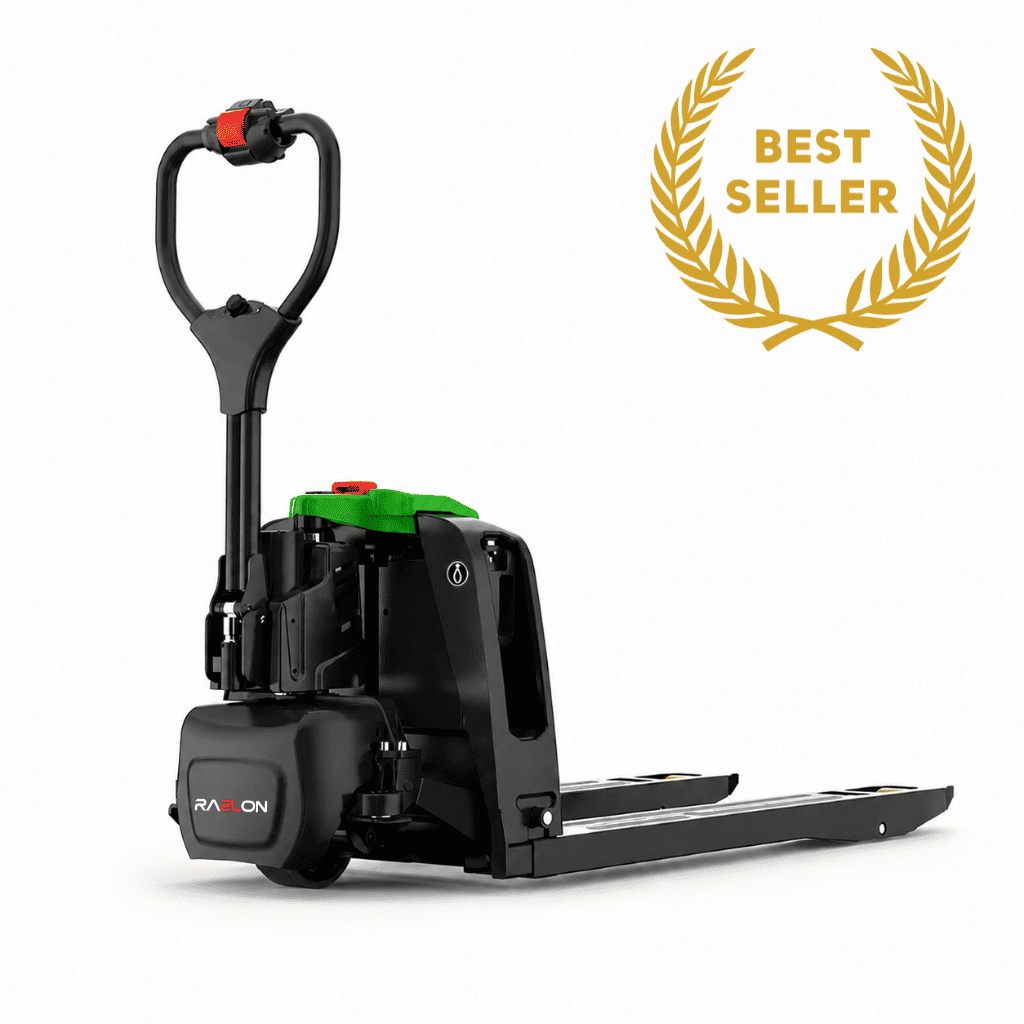
Raelon F4 3300lbs Lithium-ion Electric Pallet Jack
$1,859 CAD / $1,699 USD
$2,190 CAD / $1,999 USD
A balanced 3300 lb lithium electric pallet jack for daily warehouse, stockroom, and receiving work.
View Product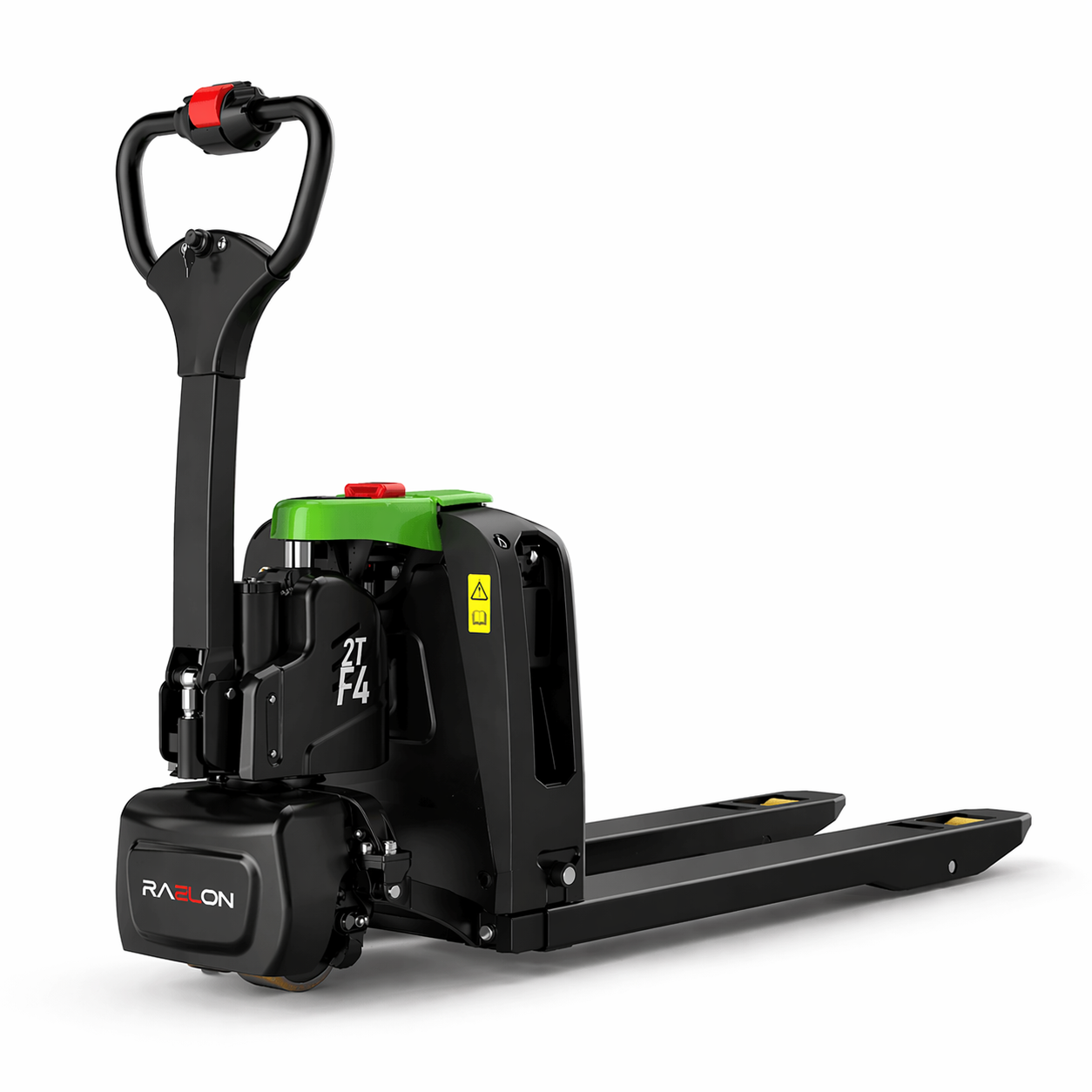
Raelon F4-201 4400lbs Lithium-ion Electric Pallet Jack
$2,895 CAD
$3,217 CAD
A 4400 lb lithium pallet jack for heavier loads, loading docks, and more demanding daily workflows.
View Product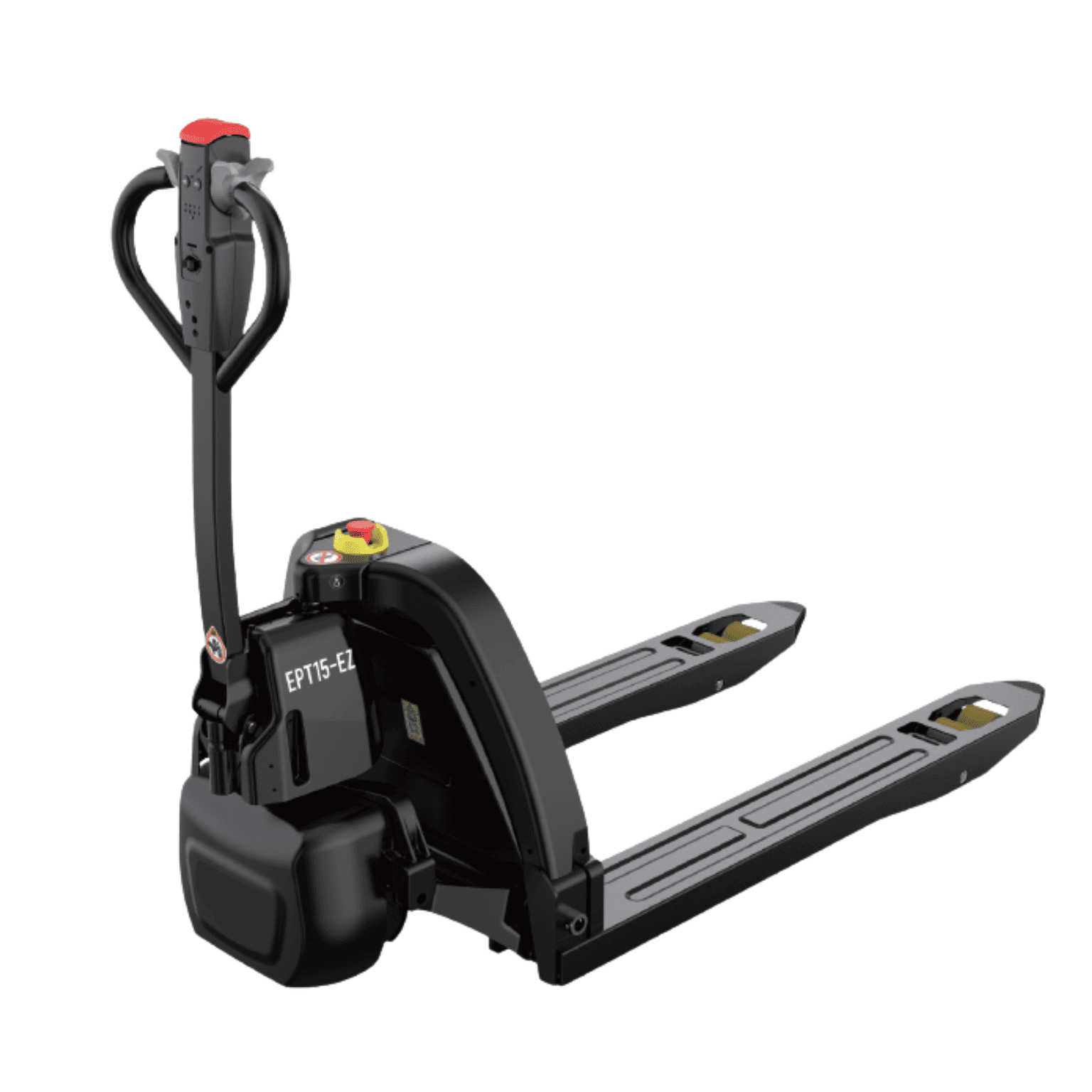
Raelon EPT15-EZ 3300lbs Electric Pallet Jack
$1,699 CAD
$1,999 CAD
A practical entry-level electric pallet jack for lighter workflows, smaller spaces, and short transport routes.
View ProductWhich Raelon Models Should Buyers Compare?
Raelon focuses on new electric pallet jack options for warehouses, stockrooms, loading areas, and small business operations.
The Raelon F4 is a 3300 lb lithium-ion electric pallet jack for everyday pallet movement. It is a practical choice for warehouses, retail backrooms, stockrooms, and businesses upgrading from manual pallet jacks.
The Raelon F4-201 is a 4400 lb lithium-ion electric pallet jack for heavier loads and more demanding warehouse movement. It is better suited for busy receiving areas, loading docks, and operations that need more capacity headroom.
The Raelon EPT15-EZ is a 3300 lb electric pallet jack for lighter workflows, smaller work areas, and simple daily use.
These are new powered pallet jacks, not used models. That gives buyers a clearer starting point for battery condition, warranty, replacement parts, and support.
A Used Electric Pallet Jack Checklist
Before paying for a used electric pallet jack, check the following:
- Battery age, condition, and runtime
- Correct charger and charging behavior
- Load test under real weight
- Smooth forward and reverse travel
- Fork lifting and lowering
- Hydraulic leaks or drifting
- Drive wheel and load wheel condition
- Handle controls and safety functions
- Frame, forks, covers, and wiring
- Service history
- Parts availability
- Warranty or return policy, if any
If the seller will not allow a load test or cannot answer basic questions, be careful. A used pallet jack may still be a good deal, but only if the condition is clear enough to justify the risk.
Common Mistakes to Avoid
The first mistake is buying only because the price is low. A cheap used electric pallet jack can become expensive if it needs a battery, charger, wheels, or controller service.
The second mistake is testing the unit empty only. A powered pallet jack should be tested under load before purchase whenever possible.
The third mistake is ignoring the charger. The wrong charger can damage the battery or create safety concerns.
The fourth mistake is skipping parts research. If replacement parts are not available, the machine may be difficult to keep in service.
The fifth mistake is using used equipment for daily operations without understanding the risk. If the truck supports receiving, shipping, or regular pallet movement, reliability matters.
Related Guides
- Electric Pallet Jack Rental vs Buying: Which Option Makes More Sense?
- Pallet Jack Parts Guide: What Wears Out and How to Maintain
Final Recommendation
A used electric pallet jack can work for some businesses, especially when the workload is light and the buyer can inspect the machine properly. But it should never be purchased only because the price looks low.
Check the battery, wheels, hydraulics, controller, charger, service history, and parts support before paying. Test the truck under load and make sure it fits your real work environment.
If your business needs daily reliability, warranty support, and easier access to replacement parts, a new electric pallet jack may be the more practical choice.
Raelon offers new electric pallet jack options for different warehouse needs, including the F4, F4-201, and EPT15-EZ. Browse the full Raelon electric pallet jack collection, or contact Raelon to compare capacity, battery setup, fork size, shipping, warranty, replacement parts, and service support across Canada and the U.S.


